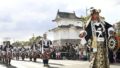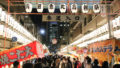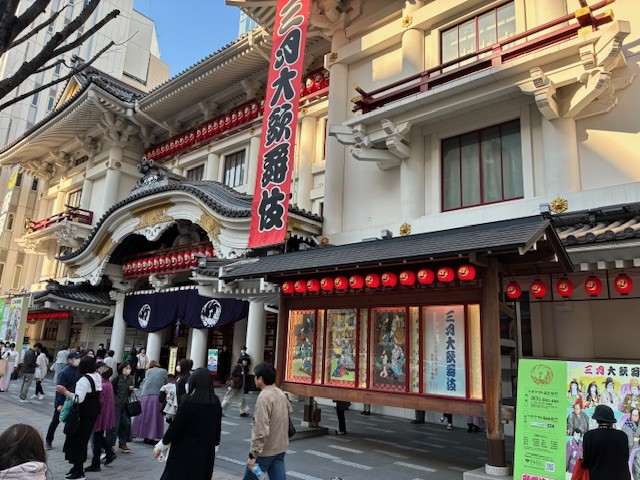
Kabuki, Noh, and Joruri flourished in Chuo Ward, Tokyo, during the Edo period. Even today, Chuo Ward is home to major theaters such as the Kabuki-za (Ginza 4-chome), Meiji-za (Nihonbashi Hamacho 2-chome), and Shinbashi Enbujo (Ginza 6-chome), making it a hub for theater where visitors can enjoy a wide variety of performing arts.
Kabuki
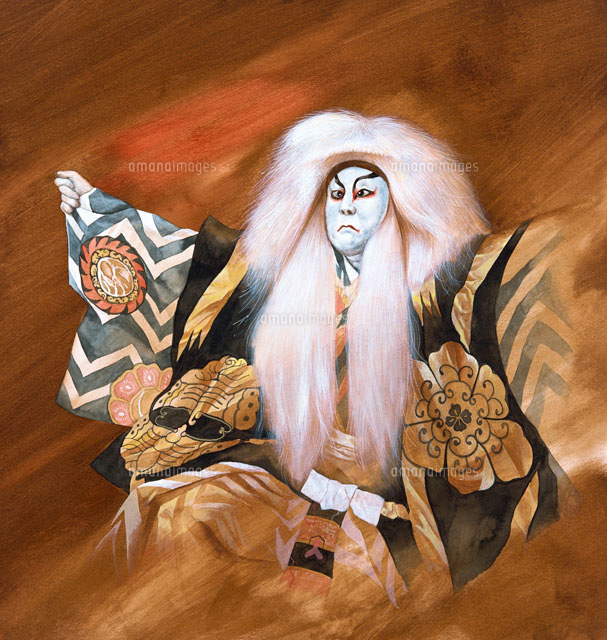
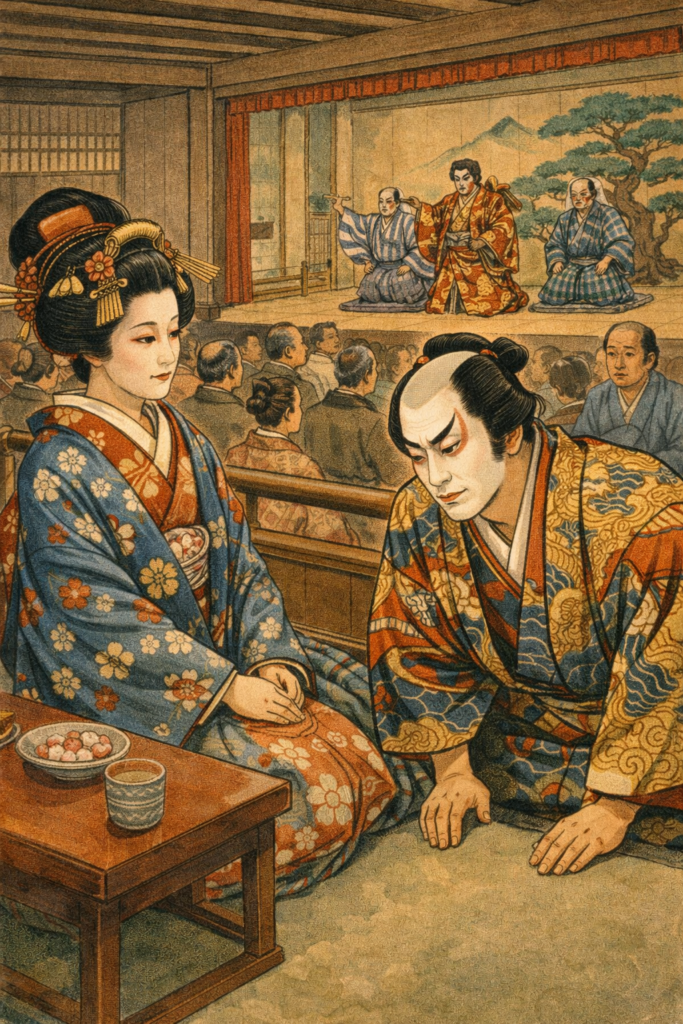
Edo Kabuki began in 1624 when the first Nakamura Kanzaburō raised the watch tower of the Saruwaka-za (later known as the Nakamura-za) near Kyōbashi 1-chōme. The theaters subsequently moved as follows:
・Nakamura-za: Kyōbashi ⇒ Nihonbashi ⇒ Ningyōchō ⇒ Asakusa
・Ichimura-za: Ginza ⇒ Ningyōchō ⇒ Asakusa
・Yamamura-za: Ginza
・Morita-za: Ginza ⇒ Asakusa ⇒ Shintomicho
・In 1714, it was discovered that Ejima Tomo, lady-in-waiting of the Ooku, had attended public performance at the Yamamura-za on her way back from a pilgrimage to Zojo-ji Temple and had invited the popular actor Ikushima Shingoro to banquet. As a result, Eijima, Ikushima, and others involved were severely punished, and the Yamamura-za was forced to close. As a result, the number of officially licensed theaters in Edo was reduced to three: Nakamura-za, Ichimura-za, and Morita-za.
・In 1830, due to the Tenpō Reforms (monetary tightening measures), the theater was forcibly relocated to Saruwaka-chō in Asakusa.
(Reference: Chūō Ward Encyclopedia)
Nogaku
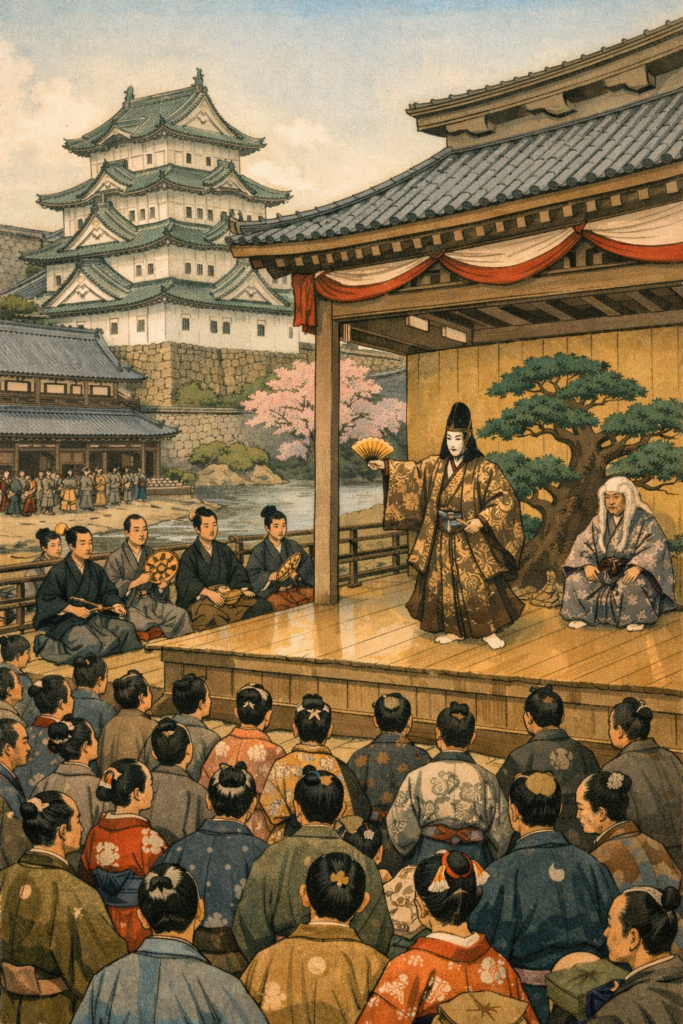
Following in the footsteps of Toyotomi Hideyoshi, who had patronized the four Yamato Saruwaka schools (Konbaru, Kongo, Hosho, and Kanze), the Edo Shogunate designated these four schools—along with the Kita school—as the official performing arts of the shogunate. On auspicious occasions such as the shogun’s proclamation, weddings, coming-of-age ceremonies, and the birth of a young lord, Nogaku dances were performed on the stage in front of the main hall of the Honmaru Palace.
The performances are held at the following locations:
・Kanze Noh Theater: GINZA SIX, B3
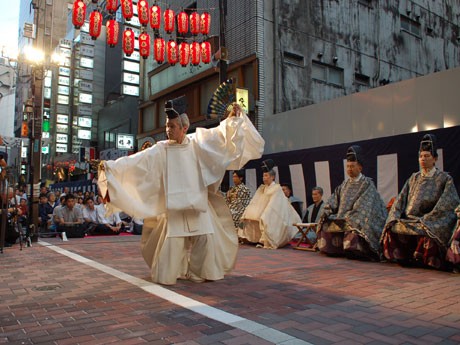
・Konbaru Festival: Viewable on the streets of Ginza Kanharu street, Konbaru geisha trace their origins to the maids who worked as servants in the Konbaru residence during the Edo period. Skilled in traditional songs and dance, they gained popularity for their talent in entertaining guests, and the surrounding area developed into a red-light district.
Joruri
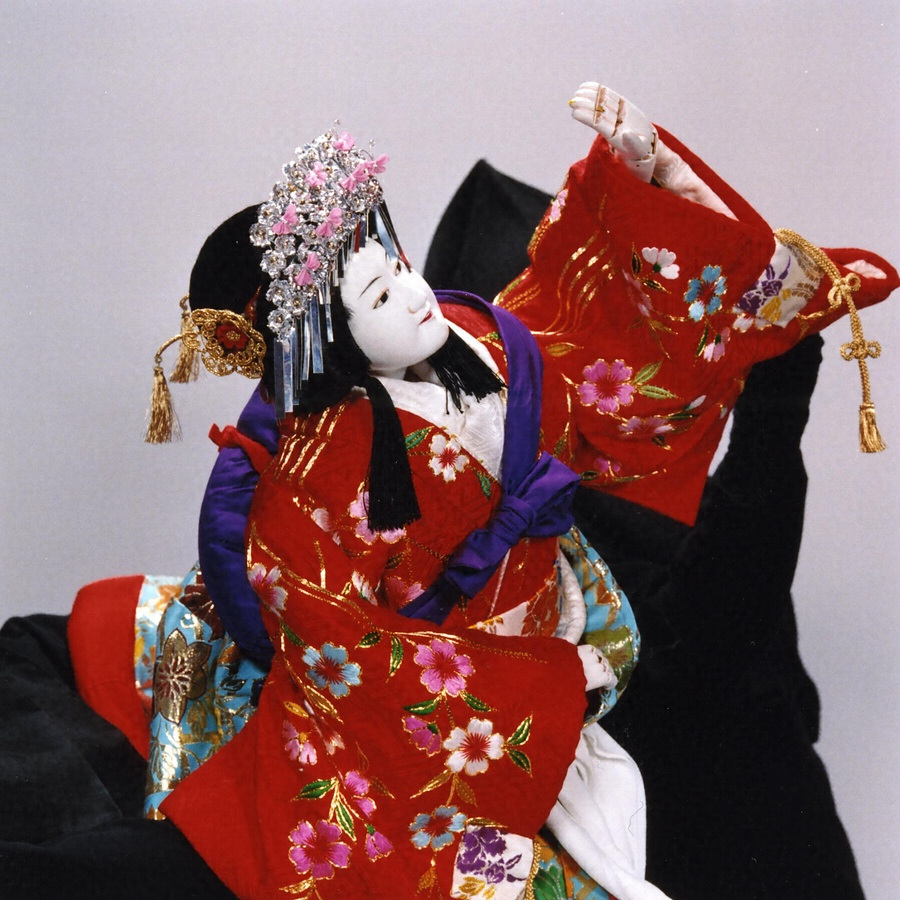
- Edo Joruri is a narrative art form accompanied by music.
- There were many theaters in Ningyo-cho for Kabuki performance and Ningyo Joruri. The area became a bustling hub, attracting numerous actors, puppet makers, geisha, shrine visitors, and food enthusiasts.
- Regular performances are held at the National Theater (Small Theater).